
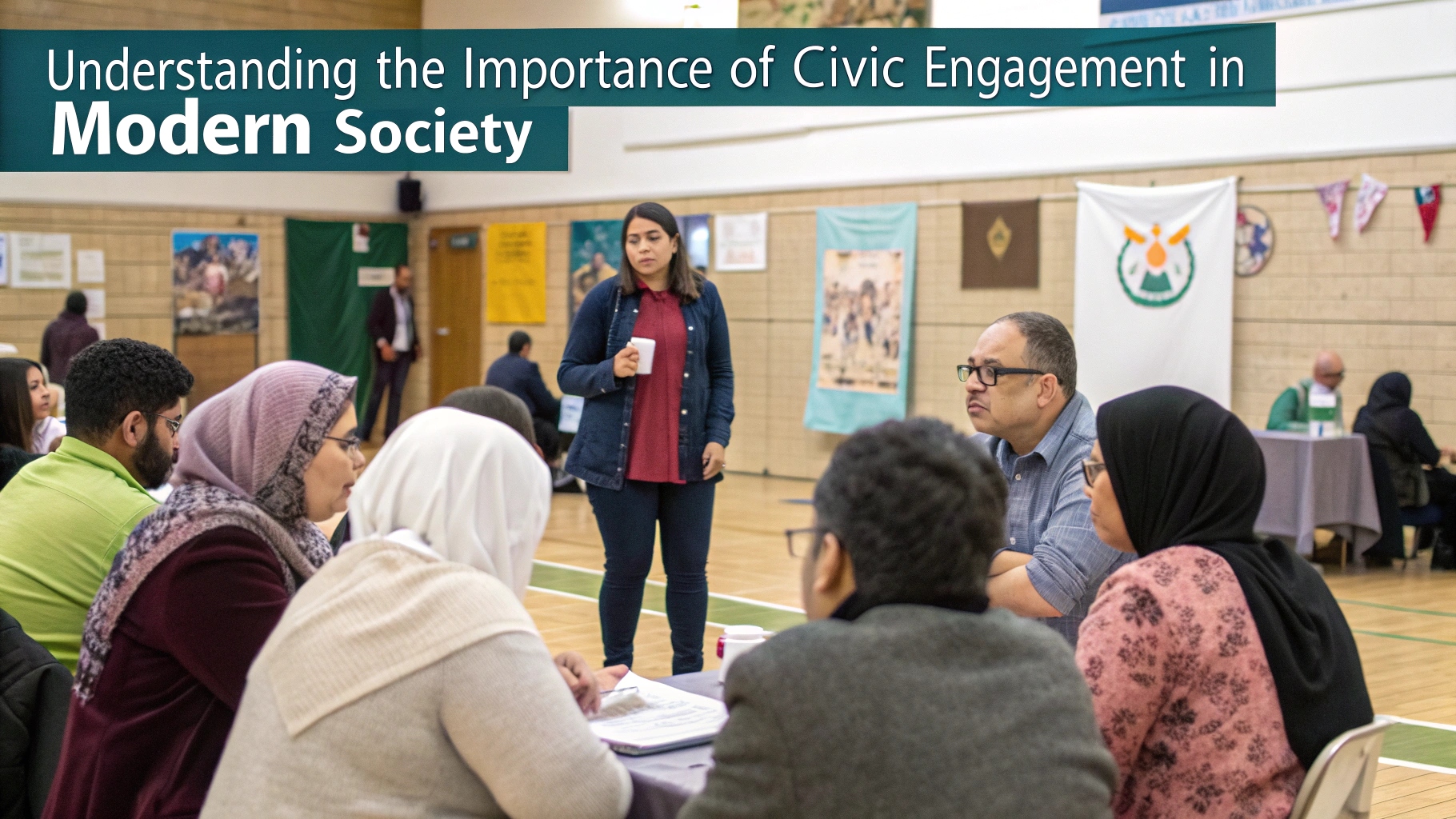
Understanding the Importance of Civic Engagement in Modern Society
In every thriving society, the foundation of progress lies not only in policies, leaders, or institutions but also in the active participation of its citizens. Communities grow stronger when individuals recognize their responsibility to contribute toward the common good. This sense of responsibility is often described as civic duty, and it represents one of the most powerful forces behind social cohesion, democracy, and community resilience. In today’s fast-changing world, where technology, globalization, and politics intersect in complex ways, fostering a culture of civic awareness is more essential than ever.
The Roots of Civic Responsibility
Human societies have always depended on shared values and collective action. From ancient city-states to modern democracies, communities have survived because individuals understood that personal freedoms are tied to collective well-being. Civic responsibility includes everything from voting in elections to volunteering in local organizations, respecting laws, and supporting initiatives that improve the community.
At its core, this concept is about balancing personal interests with broader societal needs. When citizens ignore their role, inequality, corruption, and division can spread. On the other hand, when people embrace their civic obligations, they build a society that is fairer, more accountable, and more united.
Why Civic Engagement Matters Today
The 21st century presents unique challenges: climate change, social inequality, misinformation, and rapid technological disruption. None of these issues can be solved by governments alone. They require the participation of informed and motivated individuals. Civic engagement empowers people to take ownership of these problems, ensuring that solutions are inclusive and sustainable.
For example, voting is one of the simplest yet most impactful civic actions. In many countries, voter turnout is declining, which weakens democracy. When citizens fail to vote, decisions are made by a smaller, often less representative group of people. Beyond voting, activities such as attending town hall meetings, supporting local businesses, or mentoring young people all contribute to a more engaged community.
Education as the Foundation of Civic Awareness
One of the strongest predictors of civic involvement is education. Schools that emphasize history, critical thinking, and community service help young people understand the importance of active citizenship. When students learn not just academic subjects but also how societies function, they are more likely to participate as adults.
Programs that integrate service-learning, where students volunteer or engage in real-world problem-solving, are particularly effective. These experiences allow young people to see the immediate impact of their actions while building skills like empathy, leadership, and teamwork. Ultimately, education does not just prepare students for careers; it prepares them to be engaged members of society.
Civic Engagement and Technology
Technology has transformed the way people connect with their communities. Social media, online petitions, and digital campaigns allow individuals to raise awareness and mobilize support faster than ever before. While these tools have democratized activism, they also present challenges, such as misinformation and polarization.
Responsible digital participation is now part of responsibility. Citizens must learn to evaluate information critically, distinguish between credible sources and propaganda, and engage respectfully in online debates. Technology should not replace traditional forms of participation but rather enhance them. A healthy balance ensures that digital engagement translates into real-world action.
Barriers to Civic Participation
Despite its importance, many people face obstacles that prevent them from engaging fully in civic life. Some barriers include:
Economic Inequality: Individuals struggling with poverty often lack the time or resources to participate in community activities or politics.
Distrust in Institutions: When governments or organizations are perceived as corrupt, people may feel their participation is meaningless.
Lack of Education: Without proper knowledge of rights, responsibilities, and processes, citizens may not know how to get involved.
Social Exclusion: Marginalized groups, such as minorities or immigrants, often face systemic barriers that limit their voices in public affairs.
Addressing these barriers requires intentional efforts, such as creating more inclusive policies, building trust through transparency, and providing education programs in underserved communities.
Civic Responsibility and Global Challenges
In an interconnected world, responsibility extends beyond national borders. Issues such as climate change, migration, and public health affect everyone. Local actions often have global consequences. For example, recycling, reducing carbon footprints, or supporting fair-trade products are small steps that contribute to global sustainability.
International cooperation, while often managed by governments, depends heavily on informed citizens who advocate for ethical policies and hold leaders accountable. By embracing a broader sense of civic responsibility, individuals can contribute to solutions that protect both local communities and the planet as a whole.
The Role of Civic Institutions
institutions, such as libraries, community centers, non-profit organizations, and local governments, play a vital role in sustaining engagement. They provide platforms where individuals can gather, learn, and collaborate. Strong institutions also ensure accountability, offering citizens avenues to voice concerns and influence decision-making.
For instance, a local library that hosts workshops on digital literacy is not just providing education—it is strengthening the community’s capacity to participate effectively in society. Likewise, grassroots organizations that empower underrepresented groups create pathways for more equitable civic participation.
How Individuals Can Strengthen Civic Life
Every individual has the power to make a difference. Here are practical ways to enhance civic engagement:
Vote Consistently: Participate in local and national elections, as each vote influences future policies.
Volunteer Locally: Offer time to charities, schools, or community initiatives.
Stay Informed: Follow credible news sources and educate yourself on social and political issues.
Practice Civil Discourse: Engage respectfully in debates, even with opposing viewpoints.
Mentor and Teach: Share knowledge with younger generations about the value of active citizenship.
Support Transparency: Advocate for accountability in governance and business.
Take Small Actions Daily: From recycling to helping a neighbor, small steps collectively create significant change.
When individuals consistently commit to these practices, communities become stronger, more compassionate, and better prepared to face challenges.
Building a Culture of Civic Pride
Beyond obligations, civic engagement should also be a source of pride. When people see themselves as active participants in shaping their environment, they feel a deeper sense of belonging. This pride fosters unity across diverse groups and encourages collaboration instead of division.
Celebrating local traditions, recognizing community heroes, and encouraging intergenerational dialogue are effective ways to nurture civic pride. By highlighting positive contributions, societies can inspire more people to get involved and create a cycle of engagement that benefits everyone.
Conclusion
A healthy society does not function on government policies alone—it thrives because of the contributions of its people. Civic responsibility is the glue that binds individuals to their communities, ensuring that progress benefits all. From education and technology to institutions and personal actions, every element of society has a role to play in fostering engagement.